January 7, 2011
Disadvantages of Electric Cars
With all the current emphasis on going “green” and protecting the environment, it is no wonder that the electric car has come center focus. Especially now with soaring gas prices, consumers want to know their options. Traditional gas powered vehicles have long been the focus of those concerned with environmental issues, and so invariably inventors and car manufacturers look to improve the technologies available on the electric car.
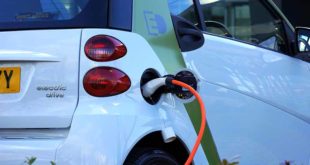
If you are considering the purchase of an electric car, you need to be realistic about their benefits. They’ve come a long way recently but they still have some significant disadvantages, and there are still limitations to their use and wide spread availability. Here are some disadvantages you may want to consider when evaluating if an electric car is feasible for your transportation needs:
1. Electric cars are expensive to own. If you’ve checked into the price of an electric car, you know they are not “low end”. It’s not so much the price of the car as it is the price of the batteries which they run on. If you’ve purchased batteries you know how the costs can add up quickly, and the batteries used in electric cars are lithium-ion, which are expensive. Also keep in mind that eventually the battery packs will need to be replaced, as they have a life of approximately 3 to 4 years.
2. The batteries will need to be recharged. A second disadvantage to an electric car is that the batteries will need to be recharged. This will require advanced planning because you’ll have to allow adequate time for the batteries to be fully charged. Now this might not sound like that big of a problem but if you are thinking of purchasing an electric car then you will need to make an honest assessment of how much you will use your vehicle. An extended or unplanned trip could be problematic if you haven’t had time to fully recharge the batteries.
3. Limits on driving distance. If you drive long distances, an electric car might not suit your needs, so you will need to consider how far you plan on driving your car. Most of the electric cars have limits on how many miles they can go before needing a recharge. Electric car maker ZAP recently announced that their electric car could travel up to 100 miles per single charge, but many people drive more miles than that round trip on a daily commute to work. This is definitely a limitation for those who intend to use the vehicle for getting to and from their place of employment. You certainly would not want to run out of batteries if you got stuck in a rush hour traffic jam.
4. Lack of power. Another disadvantage to the electric car is the lack of power, specifically quick pickup. If you do a lot of interstate driving there are going to be times when you will need to accelerate quickly to merge into traffic.
Electric cars have come a long way in recent years but still have to overcome a few more obstacles before becoming widely embraced as a solution for many consumers.
Eloectric cars is such a complex subject that there are so many different ways to look at it. If there are any other areas you are not sure about, please have a look at some of the other articles on our website - we do a lot of research to make sure we present our readers with everything there is to know.
Please leave us a comment if there are more aspects of eloectric cars you would like us to cover, and, be sure to come back. We update our information on a regular basis.
Filed under Electric Cars by newenergy
September 19, 2008
Portable Solar Energy Power Stations
Portable solar energy power stations may sound, to some, like a dream. They can think of many places where portable solar would be useful, such as the RV they love to take camping, or the boat they use for long fishing trips. They cannot imagine, though, that portable solar energy power stations actually do exist.
Portable solar energy power stations have many practical uses, which we will discuss later, but what is portable solar power?
Description of Portable Solar Power
Portable solar power is energy generated from sunlight, the generator being of a size and form that can be moved readily from place to place.
Most portable solar power units use photovoltaic panels (PV panels) in one way or another. Some are amazingly small, and can be carried in a pocket, while others must be moved on a flat-bed trailer or truck.
Examples of Portable Solar Power
You may already be using portable solar power without realizing it. The following are examples of different sizes and styles of portable solar power.
Filed under Alternative Energy by newenergy
August 29, 2008
All-Electric Car From GM May Hit US Showrooms by 2010
General Motors is currently working on the production of the Chevrolet Volt so that the vehicle would be ready by the year 2010. The Volt is an all-electric car which will be the answer of the world’s largest car manufacturer to the growing demand for cleaner cars. Reuters reported that GM is already working on plans to produce a working prototype by the end of this year. Bob Lutz, the product chief and Vice Chairman for GM, said that the car maker has already set a target for production of the Chevrolet Volt in 2010.
The soon to be mass produced electric car will be based on the concept vehicle that General Motors unveiled in January of this year. While the auto maker has already set a target for the production of the vehicle, there are still some problems in the design that they need to work on. Lutz said that they are more corned about whether lithium-ion batteries can be developed while keeping the cost of production down so as to make it affordable for car buyers. Another concern that Lutz pointed out is whether these lithium-ion batteries can power a vehicle safely. The car maker is already taking steps to address the said issues. General Motors will take an unusual step with regards to the development process of the Volt – they will open the development process to the media.
More on All-Electric Car From GM May Hit US Showrooms by 2010
Filed under Alternative Energy by newenergy