October 4, 2010
The Pros and Cons of Using Geothermal Energy As Energy Source
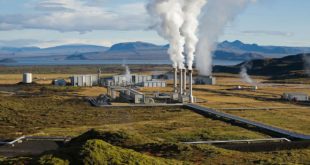
Geothermal energy is a buzz term gaining ground these days as we strive for more renewable resources that can help us generate electricity and ultimately have a healthier world. The literal meaning of the word “geothermal” is derived from “geo,” or earth, and “thermal,” or heat. In other words, geothermal energy originates from the earth…or inside the earth to be precise.
A renewable natural resource at our disposal…what could be wrong with that? And if there is any downside, does it outweigh the positive?
To answer these questions, it’s important to examine the pros and cons closely, and weigh each against our capabilities and the long-term benefits.
Pros of Geothermal Power
* Direct use of geothermal energy. Since ancient times, people have used geothermal power directly for purposes of taking baths, preparing meals, and heating homes or buildings. Today, heating buildings is the most common direct use of the energy, and it’s accomplished through use of district heating systems. These systems pipe hot water into buildings from the surface of the earth, and are available for immediate use.
* Low emissions. The biggest problem we’ve experienced with burning fuels for energy over time is that the act produces harmful emissions to our environment. This often results in acid rain and other pollutants. With geothermal energy use, approximately 97% of acid rain is eliminated.
* Renewable. As previously stated, such energy is renewable. That means it will always be at our disposal because the earth continually replenishes our water supply through rain, and the earth’s interior is in a constant state of producing heat. Combined, this energy is capable of heating and cooling homes, we never run out of it, and there are virtually no harmful effects to our environment.
Cons of Geothermal Power
* Most countries do not make use of geothermal energy, and as a result, if you desire installation in your home or office, it may be a little harder to find qualified personnel for the job.
* For installation, wide spaces and long pipes are needed. As a result, areas of dense population will have a tougher time getting the energy into homes.
* While energy from the earth is a cost effective form of energy, it won’t be that way overnight. Since most of the world doesn’t use it at all, the cost for global, or even national, implementation won’t be an easy one for taxpayers to bear.
And in that last point lays the problem geo energy faces.
Many raise this question: with the economy having seen better days, and hard-working people unable to afford the most basic luxury, can anyone really afford to pay the price tag? On the other hand, as global warming increases, weather patterns get crazier, and the possibility of natural catastrophe from polar shifting, lay in wait, can any of us really afford not to?
Hopefully, this article has given you a better understanding of the pros and cons of geothermal energy.
Filed under Energy News by newenergy
July 25, 2009
Are You Interested In A DIY Geothermal Cooling System?
One form of alternative energy you can use in cooling your home is geothermal energy. This might sound surprising, but you can use the energy found in your own backyard by utilizing geothermal heat pumps. You can save up to 70% on cooling bills.
The bad news is that professionally installed geothermal systems are too expensive. The good news is that there are ways in which you can harness geothermal energy, to partially cool your house, without shelling out a fortune for it.
You might already be utilizing geothermal energy without realizing it. Northern state homeowners often use this renewable energy without their direct knowledge.
This article will teach you how to maximize the cool air that’s stored within your basement.
You need to have a basement, or at least some crawl space beneath your house, for this cooling method to work. You must be able to access the space from within the confines of your home. If the space has a small window or vent, this will help with the air flow. You’ll also need a small portable fan for this one.
The principle of geothermal cooling works this way. During hot summer days, the basement is cooler than most parts of the house. The basement’s exterior walls are controlled by the constant heat trapped a few feet underground, right next to the house’s foundation. The temperature penetrates the basement walls and cools the air trapped inside. You must then distribute the cool from this musty and damp air, throughout the rest of home.
The most efficient way of doing so is to cover your windows with shades or curtains during sunrise, to minimize the natural heating by the sun. During nighttime when the outside temperature falls below 75 degrees, open your upstairs windows while leaving your fan on, to suck in the cool air.
But, once the temperature get higher than 75 degrees, you can turn on your geothermal cooling system by opening one of the windows in the basement. You don’t need to fully open it. A small opening is enough just to let some air through. Be sure to close all other windows in your house except for one. That way, air flows through the open windows. The open window should be the highest one in your house. This will vent out the most hot air.
Your small fan should be turned on and pointed toward the window. This should make the air from the basement move up to the open window, and let the hot air go out. It usually takes between thirty minutes to one hour to circulate the cool air from the basement to the rest of the house.
This method of utilizing geothermal energy might seem to involve lots of work, but your family will benefit from it in the long run. You’ll see your dependency on your air conditioner decrease, resulting in lower energy bills.
————————
There are more ways to cool your homes without the need of plugging into the grid. For information on where to find complete and step-by-step instructions on how to install DIY Wind and Solar Power systems, along with pictures, videos, and diagrams, please visit Bestselling DIY Wind and Solar Power Guides.
Filed under Alternative Energy by newenergy