:
Do-It-Yourselfers & Contractors -
Learn from the solar water heaters industry leader
If you're new here at Alternative Energy HQ, you may want to subscribe to our RSS feed for all the latest updates on energy news. Thanks for visiting!
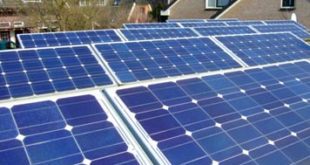
Are you feeling the pinch of rising utility costs with no end in sight? Is it really possible to power my home with solar power? Yes, it is possible and many people are doing it right now. Learn how home solar power panels will help protect you from rising utility rates and even allow you to 'sell' excess electricity back to the eclectic utility company!
More: continued here

The almost daily rising cost of diesel fuel has spurred the utility company in Kodiak Alaska to order up more wind turbines to provide electricity to its customers. They already have some wind power in their system but it now makes sesne to proactively add more with energy costs skyrocketing for municipal utilities.
From AP:
Kodiak utility to add 3rd wind generator
Kodiak's electric utility will expand its plans to incorporate wind as a power generator in response to the high cost of diesel.
Kodiak Electric Association board members voted last week to buy a third wind generator during the evaluation phase of their Pillar Mountain wind power project.
"With the price of fuel going where it's going, the added generation is a good thing for our community," said KEA president and chief executive Darron Scott.
It makes sense to purchase a third wind generator now instead of waiting because it's likely to be more expensive later, Scott said.
"We feel the added generation is a cost benefit back to the community due to the cost of diesel," Scott said.
Energy Tags: clean energy, energy resources
According to the U.S. Department of Energy, almost 50 percent of a typical home’s utility bill is attributed to heating and air conditioning, 30 percent to appliances and lighting, and 20 percent to the water heater and refrigerator. This equates to almost $1,500 in energy bills for a typical household.
Following are ways to reduce your utility bills:
Tune it. A pre-season tune-up and filter is a good investment for removing dirty air that clogs your HVAC system, improving airflow and helping your system run efficiently. A tune-up also reduces the chances of an HVAC breakdown in mid-winter and improves safety. Keeping your system running at peak efficiency equates to less energy use and lower utility bills.
Upgrade it. If your HVAC system is older than 10 years, it may be time for an upgrade. Installing a new, high-efficiency system that uses non-ozone depleting refrigerant can reduce your annual heating and cooling costs from by 30 to 50 percent. Installing a new system can pay for itself in what you save.
Replace it. When purchasing new appliances, electronics and lighting, save money on your utility bill and help the environment by purchasing ENERGY STAR qualified products. Products that have earned the ENERGY STAR have the highest rating a product can earn for energy efficiency. When replacing light bulbs, be sure to use ENERGY STAR qualified bulbs which are known to use 75 percent less energy than standard bulbs and last up to 10 times longer.
Insulate it. Inadequate insulation and air leakage are leading causes of energy waste in most homes. Check the insulation in your attic, crawlspaces, and any hard-to-reach spaces that tend to be the biggest energy loss areas. Look for gaps in the insulation and areas with inadequate coverage. Adding another layer of insulation can make your home more comfortable by maintaining a uniform temperature throughout your house and can make a noticeable difference on your energy bill.
More: continued here
Ever wish you could have electricity available any time you wanted or needed it? What if you could have electricity in a place where no outlet is available? You only need three things to make this possible and we have discovered how to do it.
More: continued here
It seems that every winter the cost of electricity goes up, this is true whether you live in the northern colder areas or the southern warmer areas. No matter where you live winter electricity rates kick in and you face higher than normal electric bills.
More: continued here