 Alternative Energy HQ solar power for homes, wind energy, and bio fuel issues
Khosla Ventures and Kleiner, Perkins, Caufield & Byers back technology and utility veterans in making renewable energy price competitive with fossil fuels AlwaysOn GoingGreen Conference, DAVIS, Calif.—Sept. 10, 2007—Ausra Inc., the developer of utility-scale [tag]solar thermal power[/tag] technology, has secured more than $40 million in funding from Silicon Valley venture capital firms Khosla Ventures and Kleiner, Perkins, Caufield & Byers …
Read More »Search Results for: thermal power plants
Next-Generation Geothermal Can Help Unlock 100% Clean Power
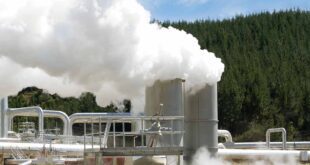
By Joel Jaeger, Katrina McLaughlin, Lori Bird and Karl Hausker Building a clean, reliable, cost-effective power grid will require many different types of energy. The bulk will come from solar and wind; but since these aren’t available 24/7, 365 days a year, they must be paired with a smaller amount of clean, “firm” power that’s always available when needed. Geothermal energy, nuclear energy and …
Read More »Can Geothermal Ever Become the Norm?
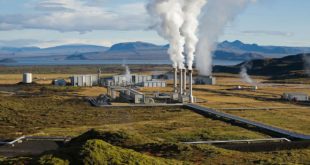
Saving the planet through sustainable lifestyle changes is at the top of everyone’s mind. It’s why so many people recycle and minimize their petrol purchases – but they may not know much about the most significant potential energy source for humanity’s future. Read on to learn whether geothermal can ever become the norm and why so many people agree it …
Read More »Making solar power more efficient
Case Western Reserve University researchers using artificial intelligence and machine learning to improve ‘photovoltaic’ power plants as part of federal energy program CLEVELAND—Case Western Reserve University computer scientists and energy technology experts are teaming up to leverage the diagnostic power of artificial intelligence (AI) to make solar-power plants more efficient. Solar power uses energy from the sun collected by photovoltaic …
Read More »WELTEC BIOPOWER Builds 7-MW Biogas Plant Near Seoul
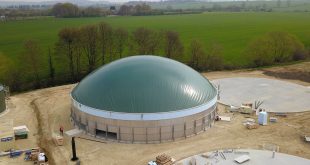
Plant in South Korea to Produce Heat from Food Waste In autumn 2020, WELTEC BIOPOWER starts building a biogas plant in South Korea. The plant is being set up in the province of Gyeonggi-do, some 60 km north of Seoul, and will transform biogas into heat in an integrated gas boiler. As early as spring 2021, the seven megawatt plant …
Read More »Geothermal Energy: Current U.S. Trends
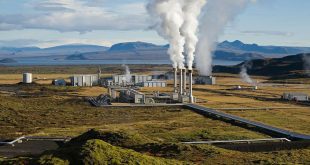
When most of us think about geothermal energy, we probably conjure images of Old Faithful and bubbling geysers, creating the heat necessary to create energy. But geothermal energy is now a reliable and growing source of renewable energy as the U.S. weans itself off fossil fuels. According to the Geothermal Energy Association (GEA), “In 2016, there were 3,567 Megawatts (MW) …
Read More »Solar Power Becomes World’s Favorite
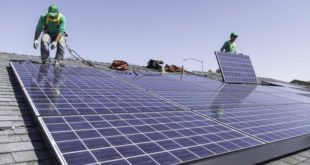
Solar eclipses all other new types of electricity generation in 2016 to become the world’s favourite, says GlobalData Solar has become the world’s favorite new type of electricity generation, with more solar photovoltaic (PV) capacity being installed than any other generation technology according to GlobalData, a recognized leader in providing business information and analytics. The company’s latest report update on the GlobalData …
Read More »Virtual power plant: System Will Be a Game Changer for Renewable Energy
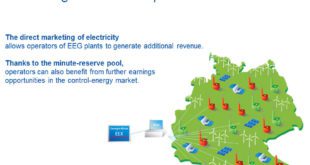
Virtual power plant: that sounds like part of a video game like “SimCity” or “Cities: Skylines” — but it’s not. The virtual power plant (VPP) is a real, up-and-coming energy source. It’s a widespread collection of modest power systems with one control site that runs them like a single power plant. The control room increases or decreases production or …
Read More »North American wood companies have the world largest ORC-based biomass power plants
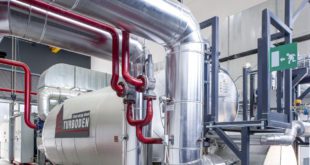
West Fraser’s 2×13 MW biomass power plants operating commercially since beginning of 2015. Maine Wood Pellet’s 8 MW power unit to start up early in 2016 in the United States. Brescia, October 7th, 2015 – Turboden, a group company of Mitsubishi Heavy Industries (MHI), leader in Organic Rankine Cycle (ORC) power systems for distributed generation from renewable sources and …
Read More »US Clean Power Plan Could Reduce Coal Power by up to 60 Gigawatts by 2020
Of the 326 Gigawatts (GW) of current coal power capacity in the US, a potential 60 GW could be lost by 2020 due to government’s Clean Power Plan (CPP) ‘With the US boasting significant renewable power potential, the CPP has created a huge opportunity for companies in this sector,’ says analyst The US government’s recently-announced Clean Power Plan (CPP) …
Read More »Geothermal Can Play a Significant Role in State Carbon Reduction Plans
The Geothermal Energy Association (GEA) urges states to take advantage of the carbon emission reduction available through expanding geothermal power portfolios. Doing so makes sense in light of the US EPA’s proposed regulations for existing power plants that require states to substantially reduce carbon emissions. The regulations proposed June 2, 2014, would give states significant leeway in designing plans to reduce …
Read More »Plenty of Geothermal Available in West
Geothermal power potential in California still largely untapped, says industry group As the California Air Resources Board (CARB) is examining their new scoping plan for implementing the state’s ambitious climate law, the leading geothermal industry group has issued a status report on California’s geothermal resources that says they are still largely untapped. Geothermal power is “a viable, cost effective, and …
Read More »Geothermal Potential in California
Still Largely Untapped, Industry Group Tells CARB As the California Air Resources Board is examining their new scoping plan for implementing the state’s ambitious climate law, AB 32, the leading geothermal industry group has issued a status report on the state’s geothermal resources that says they are still largely untapped. Geothermal power is “a viable, cost effective, and plentiful renewable energy …
Read More »Japan’s Zero Nuclear Power Issue Triples PV Market Demand in 2013
Regular inspections have been conducted on the No.4 reactor at the Oi nuclear power plant. However, delay on the inspections has once again led to Japan’s “zero nuclear power” status. Since nuclear power is still the major source of base-load electricity while other units are still applying for re-activation, it’s estimated that it will take at least half a year …
Read More »Global Market for Geothermal Continues Upswing
The Geothermal Energy Association today released a new report showing continued strong growth signals in the international market for geothermal power. The report, 2013 Geothermal Power: International Market Overview, identifies 70 countries moving forward with nearly 700 geothermal power projects. “The number of geothermal projects continues to grow as more and more countries recognize the potential economic and environmental benefits that geothermal …
Read More »INTERIOR DEPARTMENT ANNOUNCEMENT WILL HELP TO ADVANCE GEOTHERMAL
In response to Secretary of the Interior Sally Jewell’s keynote address at the National Clean Energy Summit, the Geothermal Energy Association (GEA) has released the following statement from GEA Executive Director Karl Gawell: “We applaud Secretary Jewell for the announcement today reaffirming the Administration’s commitment to approve 20,000 megawatts of renewable energy production on public lands by 2020. With roughly …
Read More »Combined Heat And Power – Slipping?
Combined heat and power, or CHP, continues to be one of those great ideas that can’t seem to get traction. In fact, the technology has lost ground, according to a recent energy efficiency report. The American Council for an Energy-Efficient Economy found that CHP installations fell 1.5 percent at industrial facilities from 2010 to 2011 in the July 2, 2013 …
Read More »Geothermal Energy Good For Air Quality
Geothermal Energy’s Environmental and Health Benefits Worth $117 Million Annually Benefits of geothermal energy touted in air emissions analysis The Geothermal Energy Association (GEA) has released an Air Emissions Comparison and Externality Analysis showing geothermal energy provides significant benefits to public health and the environment as one of the least-polluting and most environmentally friendly forms of energy. The analysis found …
Read More »Geothermal Energy’s Environmental and Health Benefits
Benefits of geothermal energy touted in air emissions analysis The Geothermal Energy Association (GEA) has released an Air Emissions Comparison and Externality Analysis showing geothermal energy provides significant benefits to public health and the environment as one of the least-polluting and most environmentally friendly forms of energy. The analysis found binary geothermal plants produce virtually no greenhouse gases (GHG) and …
Read More »Geothermal Industry Explores Financing for Growth
The Geothermal Energy Association’s annual U.S. and International Geothermal Energy Finance Forum (#GEAFinance2013) brought together leaders from the geothermal, finance and investment communities for a day of seminars and discussions. The forum, hosted April 11 at the Marriott Marquis New York, focused on finance’s role in the growth of the U.S. geothermal industry, as well as geothermal projects, policies and …
Read More »